Coala Pay hero

Crypto with social impact

Designing a crypto platform for humanitarian aid

Service Design Product Design Strategy

Moving aid funds, faster

In humanitarian work, donation money is usually available — but getting it to its destination is the slowest and most expensive part.

Internal NGO processes, legal barriers, and unstable financial systems make transfers take too long, and funds sometimes even lose value before arriving.

Coala Pay is a startup for NGOs focused on solving this problem: moving funds faster so aid reaches people when it's needed most.
Coala Pay logo and icon
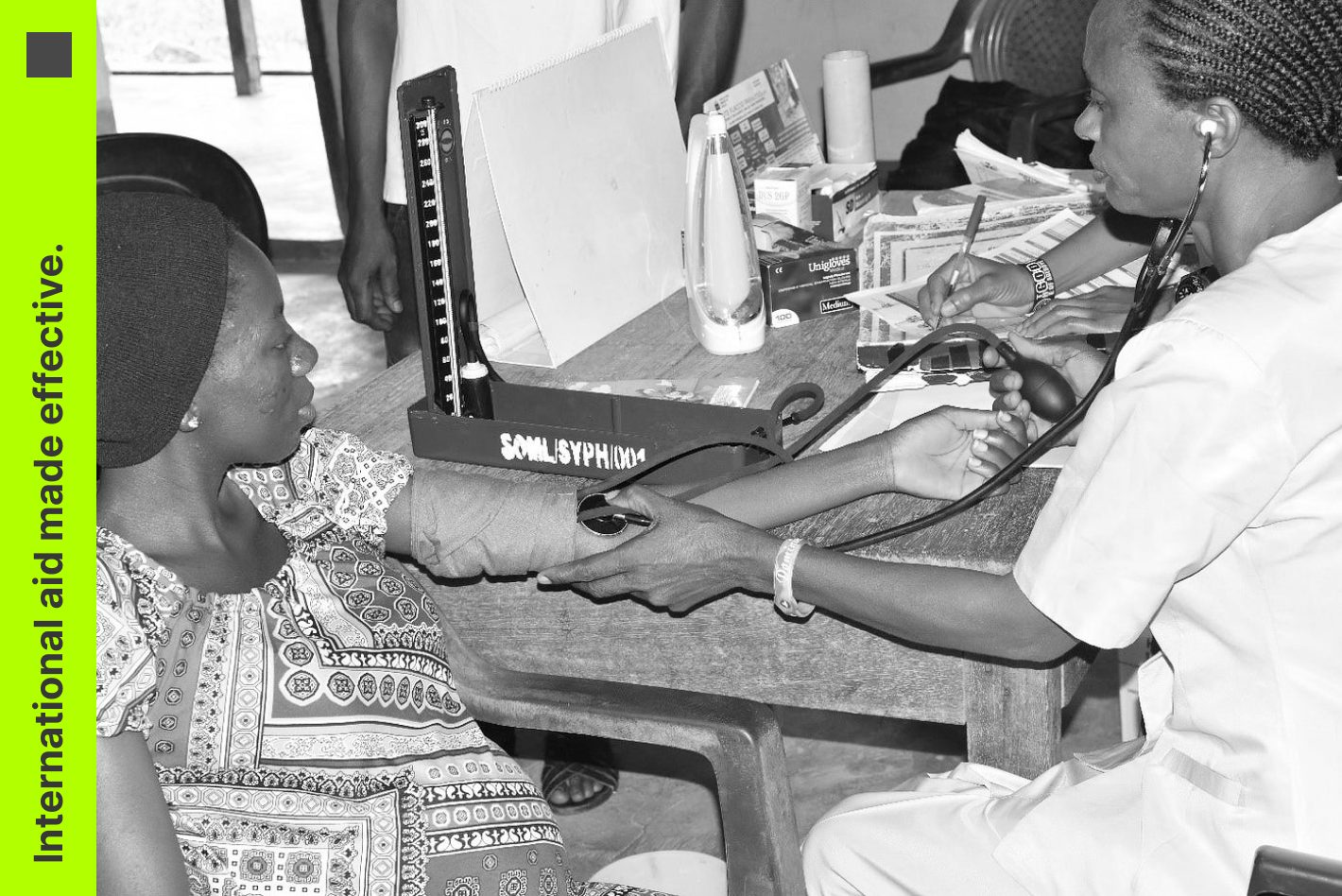
Local NGO — international aid made effective

It technically works, but... did you think about your users?

When I met the Coala Pay team, they already had a platform running. Its purpose was to let large international NGOs, like Doctors Without Borders, distribute their funds to local NGOs.

At first glance it looked complete, but the organizations were unable to use it without help. Even after training, they didn't feel confident creating wallets, sending payments, or converting money into crypto.

It was built on assumptions rather than real needs. Technically it worked, but it wasn't scalable. It was screaming for UX.

Screenshot — Original Platform
Coalita mascot with checklist
Problem

Are you sure this is a marketplace?

The core product was designed as a marketplace where large NGOs could browse projects and choose which one to fund.

But that's not how things actually worked.

Relationships were already established offline: the projects and donations were already agreed between both parties beforehand.

Not every NGO needed to browse possible projects to donate to. At some point, they started literally creating a new marketplace environment per client. That's when it became clear to me: this wasn't a marketplace.

Service Blueprint

Understanding the system

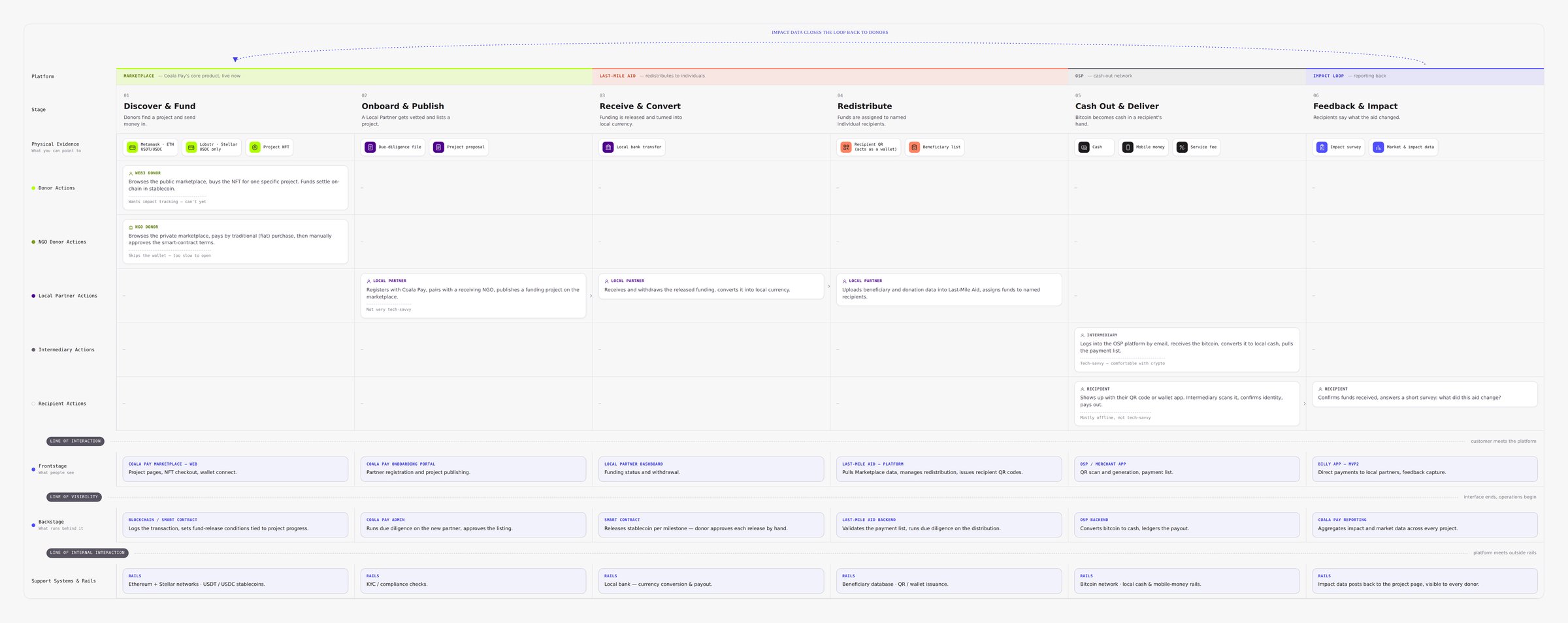
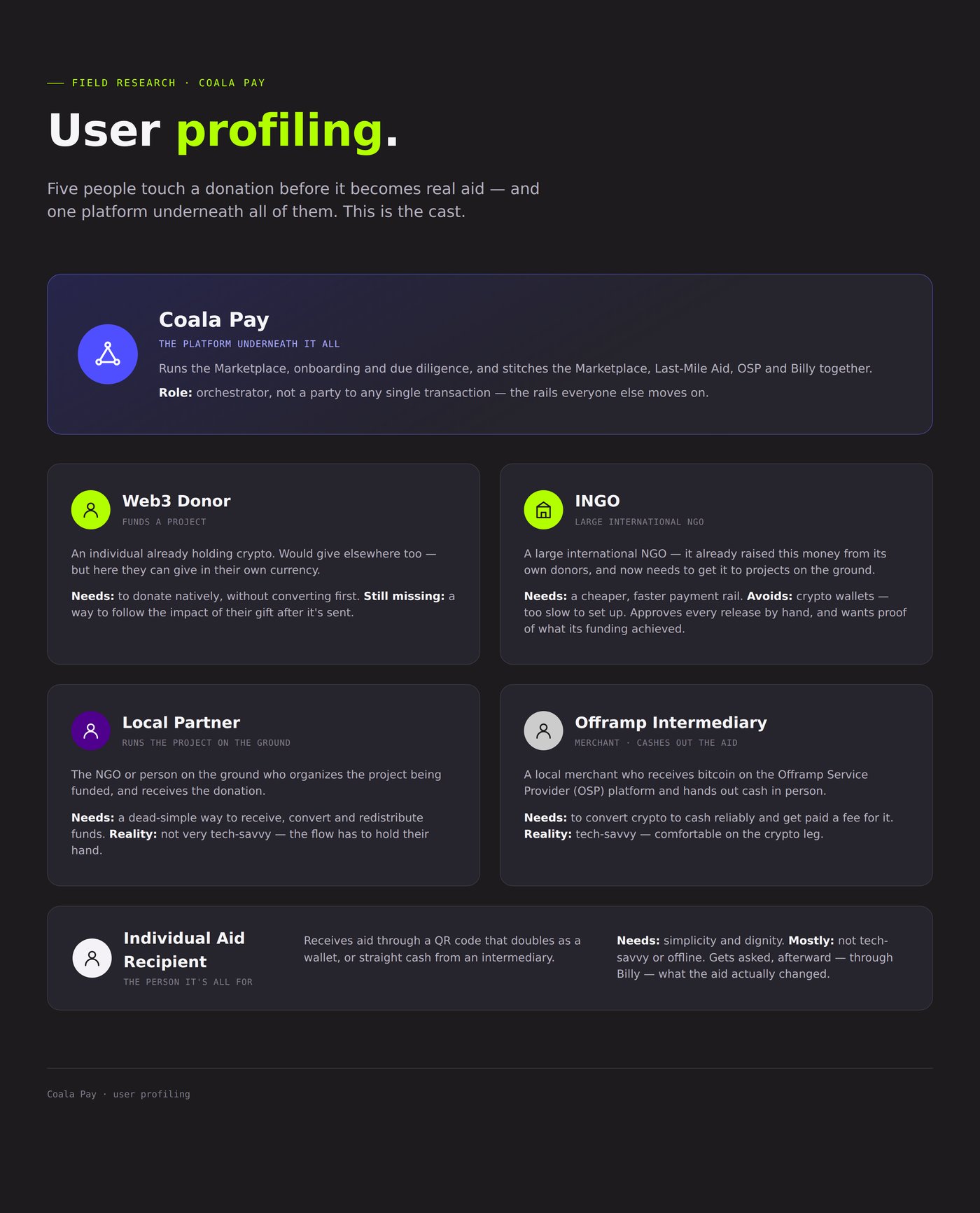
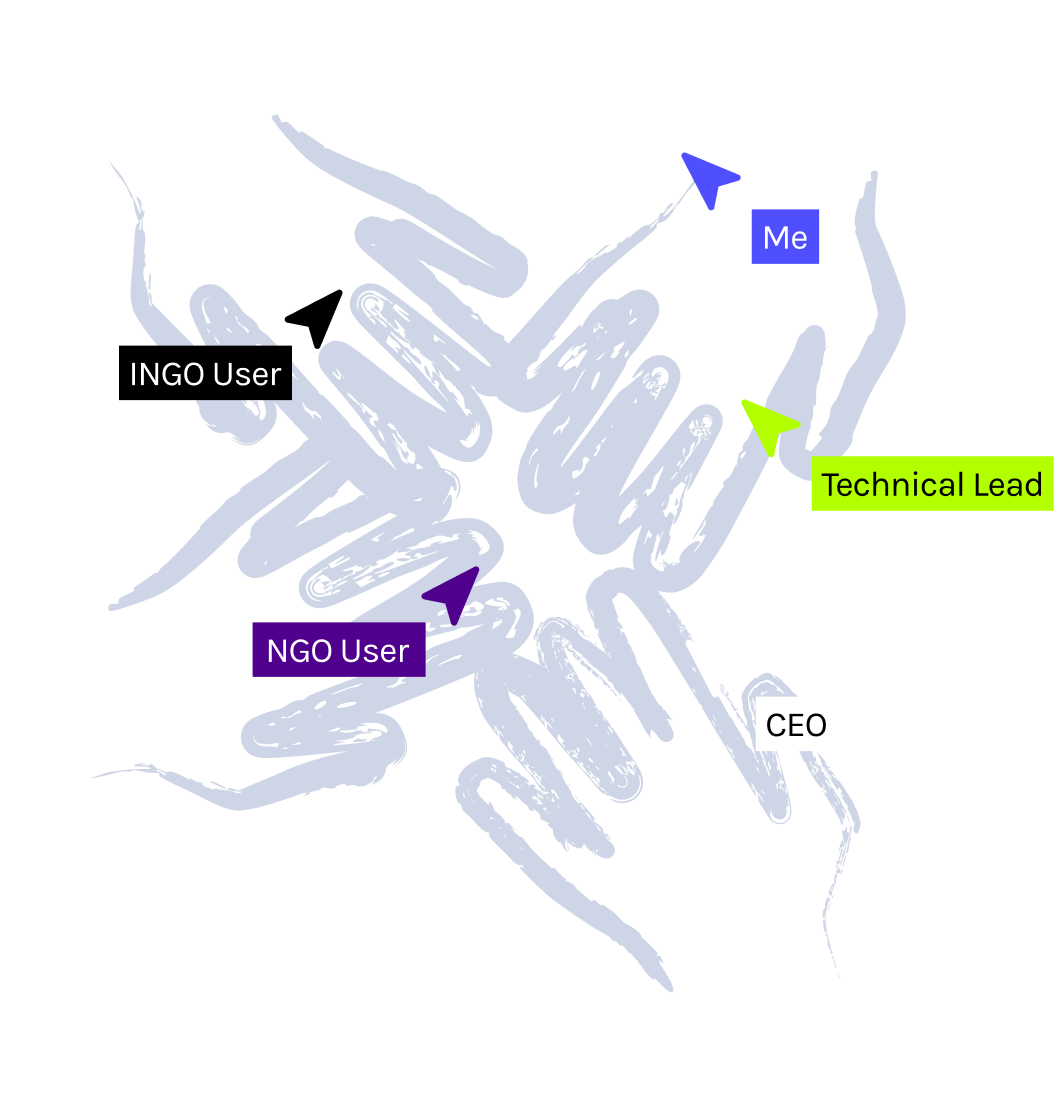
I mapped a service blueprint and the platform ecosystem to visualize every actor, existing platform, touchpoint, and dependency across the system. It was massive.

Most of this was happening outside the product, through emails, spreadsheets, and manual coordination. Mapping it end to end made the fragmentation visible and showed clearly where time, effort, and trust were being lost.

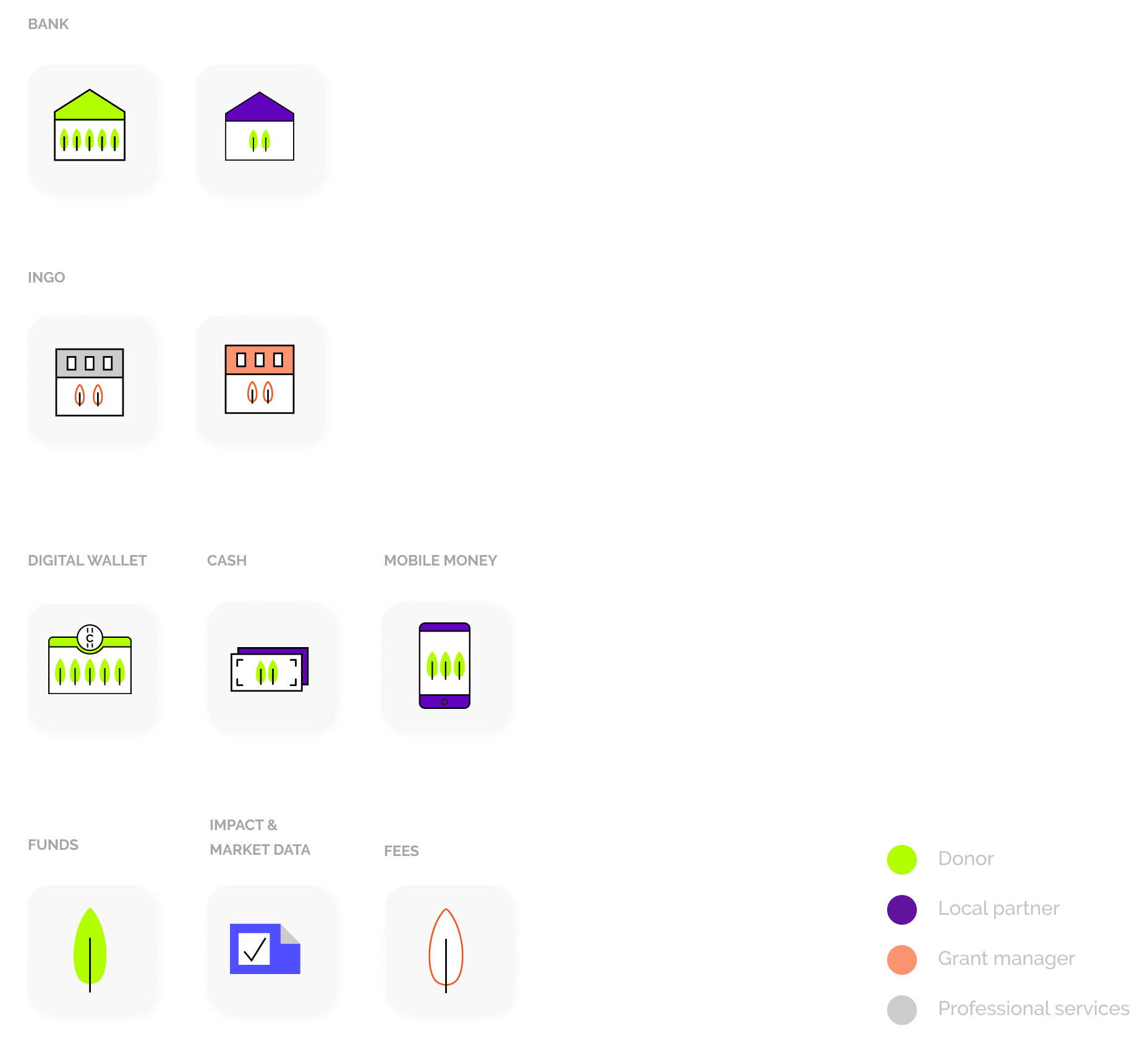
Service blueprint icon legend
Service blueprint diagram User profiling — the cast
Screenshot — Payment Flow
Revenue

The shift in focus

By this point it was clear: this wasn't a marketplace. It was a payment platform, per project.

NGOs didn't want to browse projects. They wanted to send money faster, cheaper, and with confidence. Period.

So we reframed the product. The focus moved from "browse what to fund" to "send payments within a project."

My role

Research, visualize, simplify

I worked on product definition, strategy, and product design.

I collaborated with NGOs, internal teams, and developers to understand the constraints and translate them into a simpler system. This included redefining the product structure, simplifying complex flows, and integrating manual processes into the platform.

The goal? Make the system intuitive for non-technical users and reduce dependency on the internal team.

Collaboration between roles diagram
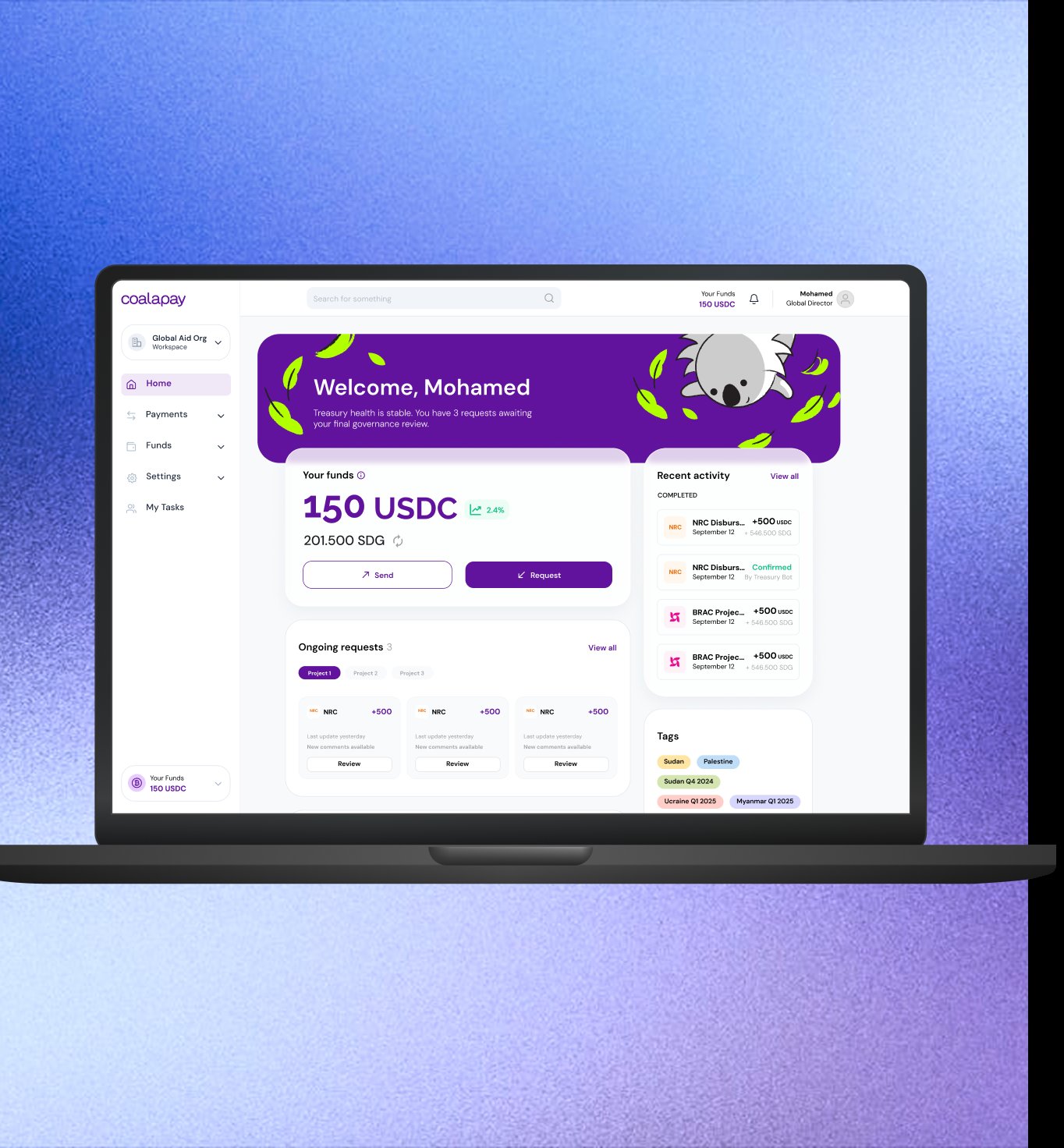
Final design — Coala Pay dashboard
Data

From complexity to clarity

Users (people from the humanitarian world) didn't care about crypto. They just needed transfers to work.

So instead of explaining the technology, we designed around it. We simplified language, guided key actions, and used progressive disclosure to keep things clear by default, while still giving access to detailed information when needed.

At the same time, we brought key processes into the product: due diligence, partner validation, and payment setup. We replaced long email threads and spreadsheets with structured, trackable flows.

Results

What changed, in numbers

These are the concrete results, three months after the redesign.

Clients became more autonomous

They manage their own wallet, approve projects, and handle their own due diligence.

From execution to supervision

More room for continuous improvement, less time firefighting for the Coala Pay team.

More transactions, less friction

Weekly volume tripled: from 90 transactions to over 300.

More NGOs, and bigger ones

We went from 5 to 8 international NGOs in just 3 months.

But most importantly, money started moving faster. And in this context, that means help arrives on time.