Pepupo app — phone mockups and character badges

Play Without Labels

Breaking gender stereotypes through play

Research UX Design Visuals

Gender roles still quietly shape the worlds children imagine for themselves.

Motivated by a shared vision, we formed a voluntary collective of designers, educators, and developers in 2022 to design a game that introduces kids aged 3–6 to professions, fostering creativity, skills, and equality.

Pepupo is where play meets possibility, opening doors to a future free from stereotypes.

A girl holding a cupcake beside a toy kitchen, and a boy running a science experiment
The problem

Parents want to free their kids from the gender roles they grew up with

Many parents grew up with messages pushing girls toward beauty and service, and boys toward power and leadership, leaving little room for vulnerability or care.

Now, they want something different for their kids. Yet, children today still absorb subtle gender stereotypes from media, toys, and daily life. Breaking these patterns starts with awareness and the right tools early on.

How we researched

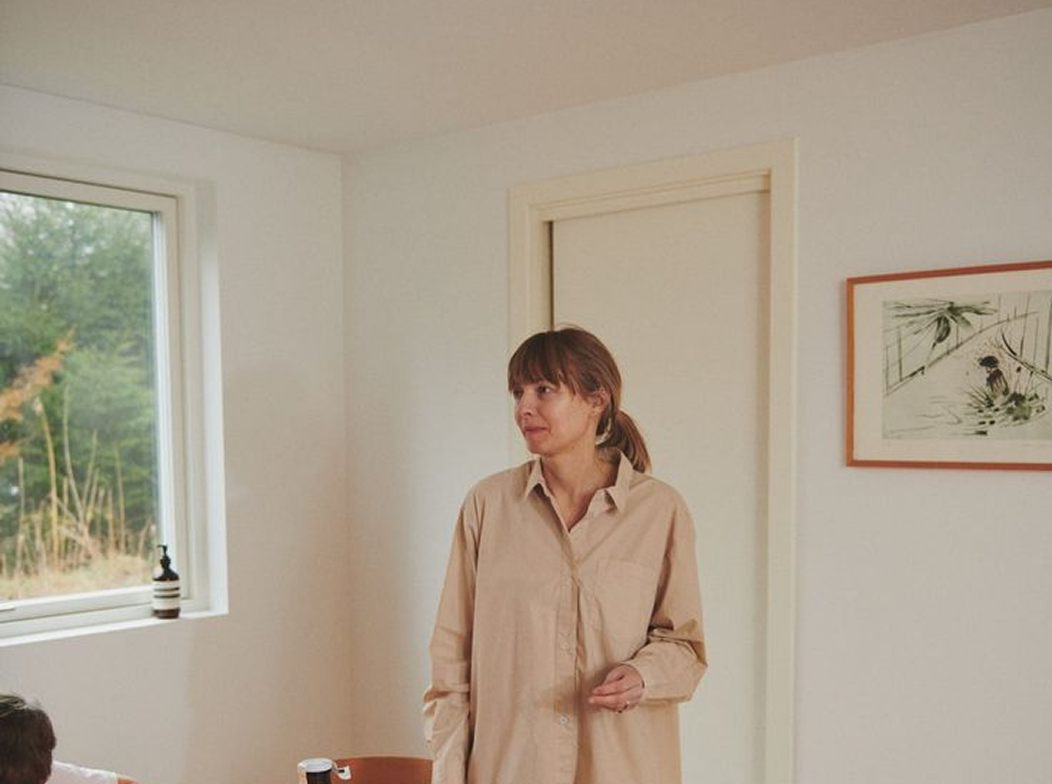
A parent standing in a living room during an interview

Interviews and surveys to parents

I explored parents' concerns about gender stereotypes and their educational goals

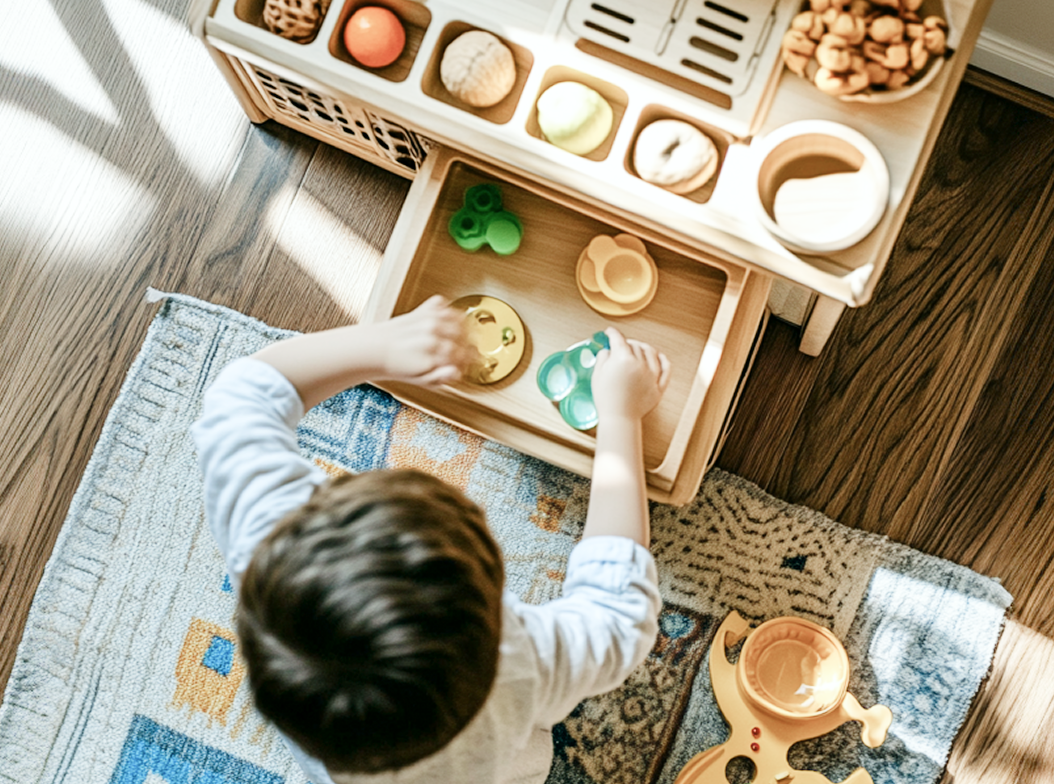
A child playing with a wooden toy kitchen, seen from above

Child-Behavioral Observation

I observed children interacting with existing apps and toys

Learnings

Designing for Little Hands (and big dreams)

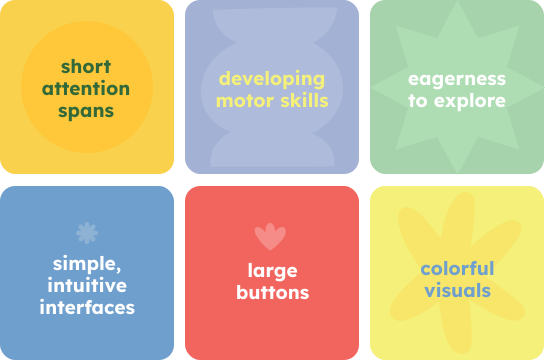
Creating an app for 3- to 6-year-olds means understanding their world.

Six traits of young children: short attention spans, developing motor skills, eagerness to explore, simple intuitive interfaces, large buttons, colorful visuals
80%

of young children engage better with interactive, story-driven content that sparks curiosity while aiding learning.

at age 4

children's perceptions of gender roles are already forming, influencing how they see themselves and others.

Content Creation

Using research insights to build the stories

We crafted stories, games, and activities with diverse characters with a focus on challenging gender stereotypes, sparking curiosity and promoting gender equality.

Illustrated character: a child wearing a headband Illustrated character: a child wearing glasses Illustrated character: a child in a builder's helmet and overalls Illustrated character: a child in a lab coat
UX and educational design

And a game structure

We started by conceptualizing the app's core features and content, focusing on simplicity, interactivity, and age-appropriate design to cater to the needs of young children.

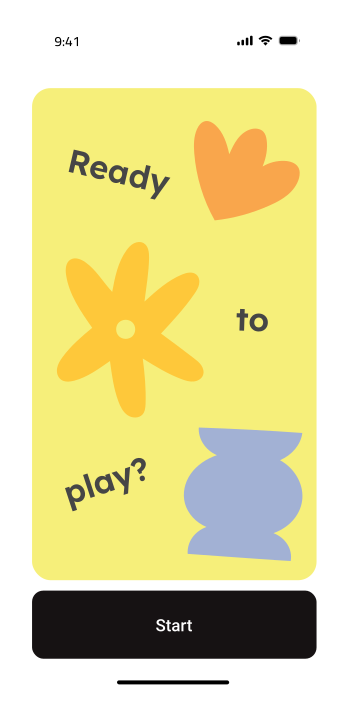
App start screen reading “Ready to play?” with a Start button
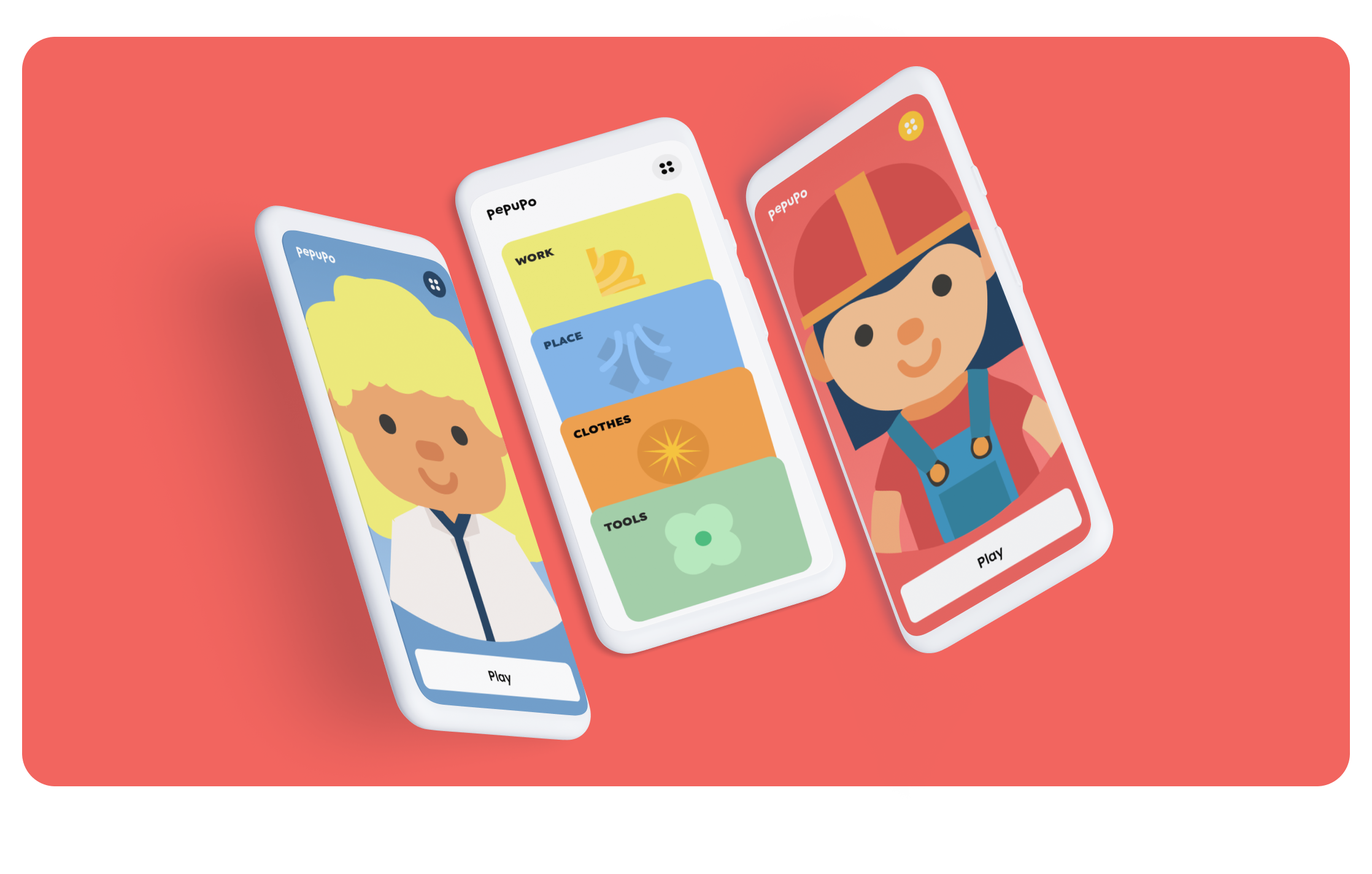
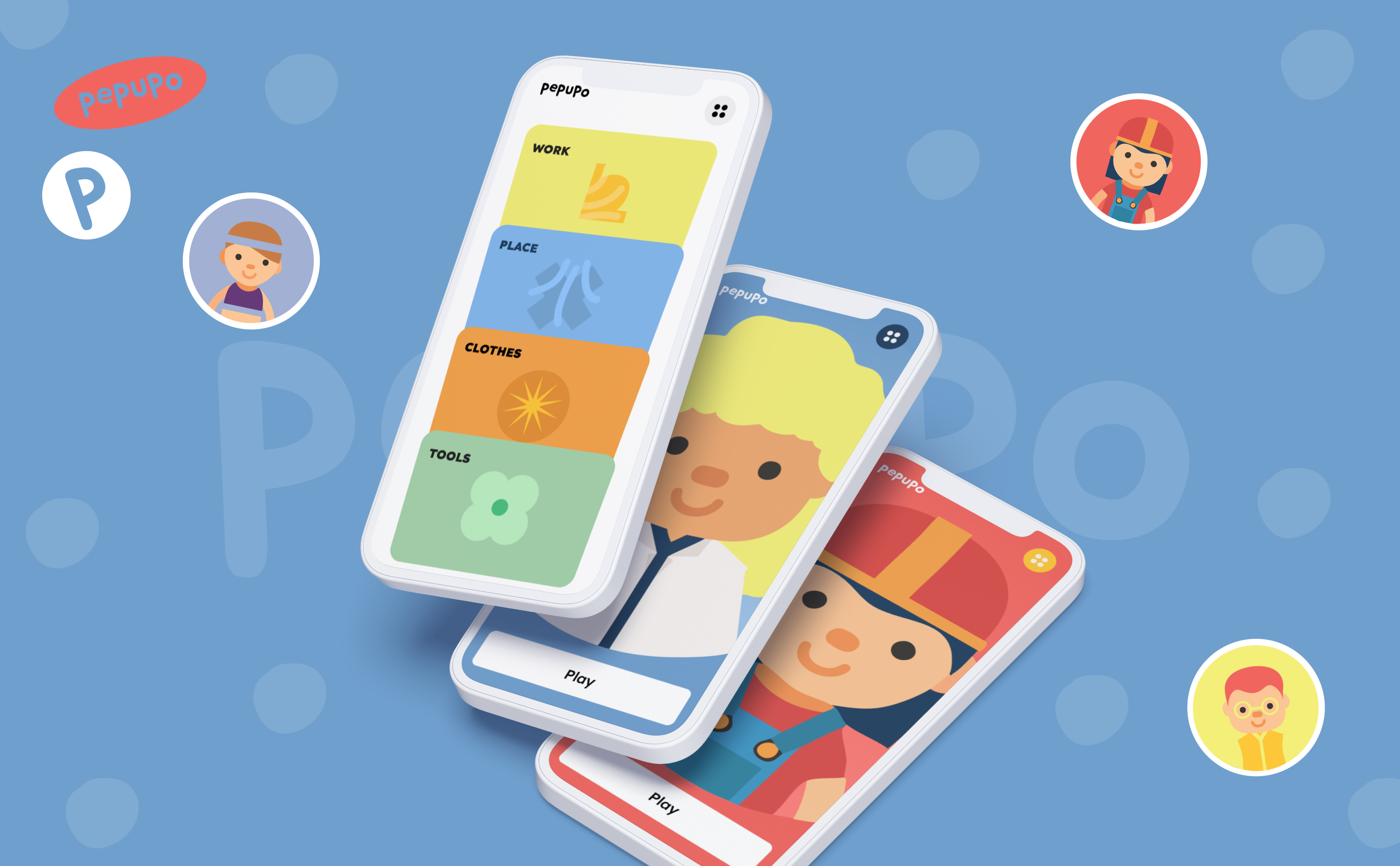
Three phones showing Pepupo screens: a character, the category menu, and another character Visuals
The Pepupo logo with sticker badges A character badge on a starburst A grid of abstract shapes from the app's visual language A game screen for choosing a character's clothes
Data

How we measured success

Session Length

The average amount of time a child spends using the app in one session.

Parent Feedback on Engagement

Qualitative feedback from parents about how engaged their child seems while using the app.

Task Completion Rate

The percentage of games that children successfully complete within the app.

Engagement with Specific Content

The amount of time spent on particular features or activities within the app.

Return Rate

The percentage of users who return to the app after their first session.